

Kvars á móti granít, hver er betri fyrir borðplötur
Feb 10, 2022
When narrowing down your bathroom or kitchen countertop options, it often comes down to two materials: quartz (artificial stone) vs. granite (natural stone). It wasn't an easy decision because the difference between the two countertop materials wasn't obvious. After all, both quartz and granite are loudly touted by their respective manufacturers as all-natural, straight from the earth, and hard as stone. What the difference between them?
Samsetning
Granít er hreinn náttúrusteinn sem fengin er beint úr námu, síðan skorinn í blöð, fáður og gerður að borðplötum.
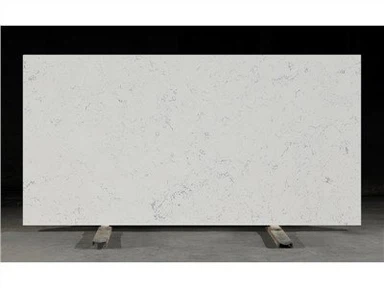
Quartz countertops are engineered stone products that may contain large amounts of natural quartz, but may also contain other minerals. Instead of quarrying slabs, they are formed from stone by-products that are ground up and formed into slabs for countertops and other products.
Útlit
One advantage granite has over quartz stone is that each granite slab has a slightly different mineral pattern and color, meaning your countertops will be unique. As an engineered product, quartz countertops are more uniform in appearance, though available in many colors and unique patterns, including forms that don't look like granite at all.
The choice here is a matter of personal preference. If you really want the look of natural stone, go for a real natural product - granite. But many people find that quartz countertops look different and better than natural stone.
Viðhald og ending
Kvars hefur sérstaka kosti umfram granít, þó bæði efnin séu mjög endingargóð. Granít er tiltölulega gljúpur steinn og þarf að þétta það við uppsetningu, fylgt eftir með reglulegri áframhaldandi þéttingu. Granítplötur geta haft meðfædda galla sem gera það að verkum að þær sprunga. Kvars þarf aftur á móti ekki þéttingu, þökk sé plastefninu sem notað er til að búa til plötuna; og efnið er einsleitt, sem þýðir að það klikkar sjaldan.
The resin in quartz countertops makes it more stain-resistant than granite. According to some reports, quartz is also less prone to bacteria, again thanks to resins that make the surface less porous.